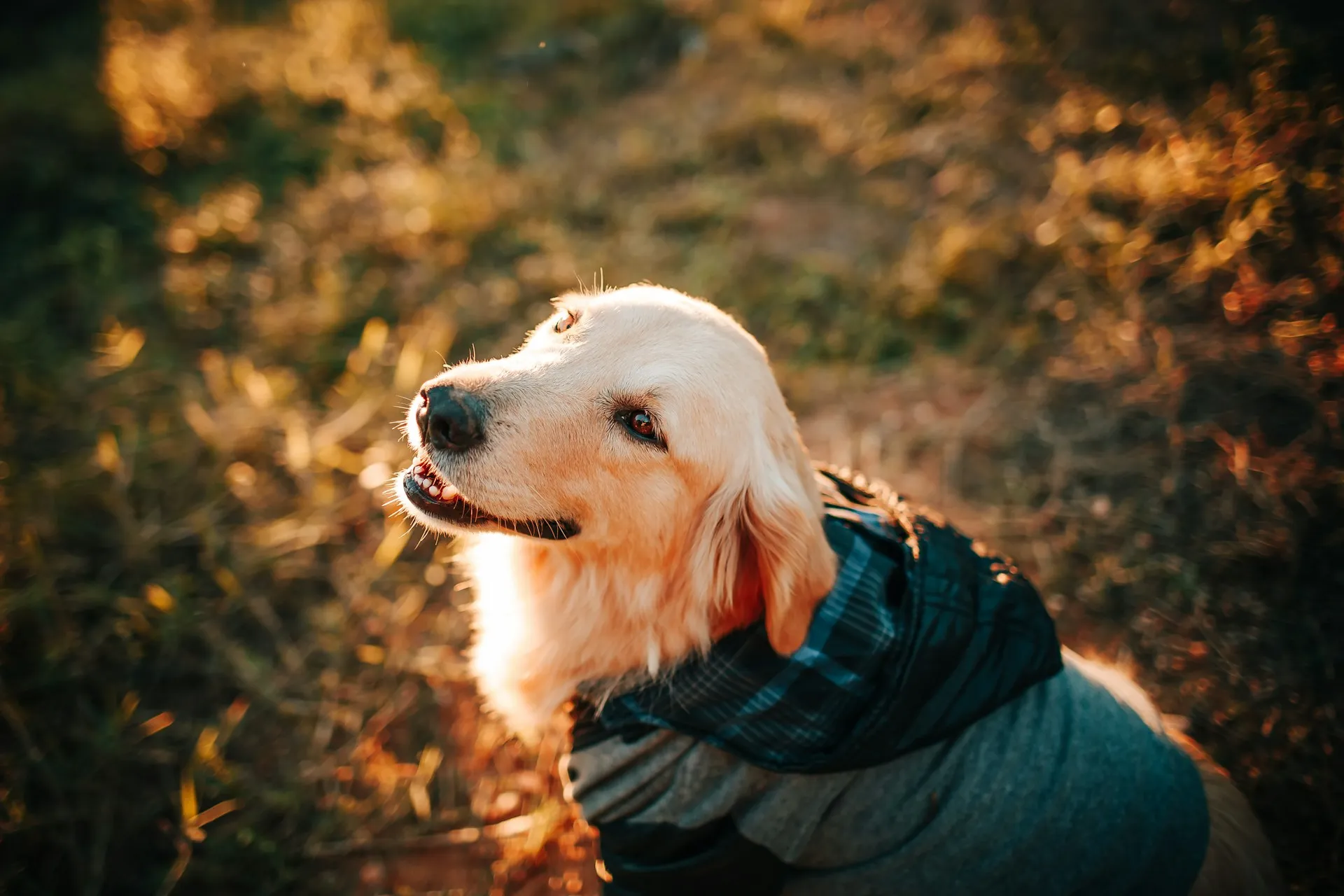

Caring for a senior dog takes extra thought and compassion, and at Lenity in San Mateo, CA, we know just how important it is to adapt routines as your dog grows older. Their bodies and needs change with time, and regular veterinary visits become even more crucial for catching health issues early. With the right mix of exercise, nutrition, and preventive care, your beloved canine companion can enjoy their golden years with comfort, dignity, and joy.
Our veterinarians often remind pet parents that senior dogs need more than just love — they need proactive health monitoring, tailored exercise, and nutritional adjustments to keep them feeling their best. In this blog, we’ll cover senior dog exercise tips, arthritis care, and nutrition adjustments that help older pups stay active and happy for as long as possible.
When Is a Dog Considered a Senior?
The age at which a dog is considered a “senior” depends largely on their breed and size. Smaller breeds such as Chihuahuas or Toy Poodles often don’t show signs of aging until they’re around 9–10 years old. Larger breeds, like Labrador Retrievers or German Shepherds, typically enter their senior stage much earlier, around 6–7 years old. Giant breeds, such as Great Danes, may be considered seniors by age five.
Of course, every dog is different. Genetics, lifestyle, and overall health all influence how quickly they age. Regardless of size, once your dog enters their senior years, more frequent veterinary visits and a tailored care plan can make a world of difference in their quality of life.
Senior Dog Exercise Tips
Exercise is important at every life stage, but for seniors, movement is medicine. Keeping your dog active helps maintain muscle mass, joint flexibility, and even mental sharpness. While your senior dog may not chase a frisbee like they once did, they still benefit greatly from consistent, low-impact activities.
Safe and Gentle Exercise Ideas
- Short walks: A few gentle strolls throughout the day are easier on aging joints than one long walk.
- Swimming: If your pup enjoys the water, swimming provides an excellent, joint-friendly workout.
- Gentle play: Games like tug with a soft toy or hide-and-seek with treats provide both exercise and mental stimulation.
- Balance activities: Simple exercises like stepping over low obstacles can help with coordination.
Safe Exercise Guidelines
- Warm up first: Start with a slow pace to loosen stiff joints.
- Keep sessions short: Several shorter playtimes are better than one long session.
- Monitor closely: Watch for signs of fatigue, limping, or stiffness. If your dog slows down or resists activity, it’s time to rest.
- Adjust for weather: Cold and damp weather can worsen joint stiffness, while hot weather increases the risk of overheating.
Consistency is key. Even if your dog’s pace is slower, regular gentle exercise goes a long way in maintaining mobility.
Arthritis Care for Dogs
Arthritis is one of the most common health issues in senior dogs, and it can significantly affect their comfort. Signs of arthritis may include stiffness after rest, reluctance to climb stairs, difficulty jumping onto the couch or into the car, or changes in gait. Some dogs may also show subtle changes like licking at joints or avoiding play.
At Lenity, we may recommend a combination of treatments to support arthritic dogs:
- Joint supplements: Products containing glucosamine, chondroitin, or omega-3 fatty acids help protect cartilage and reduce inflammation.
- Pain management medications: When supplements aren’t enough, prescription medications can relieve discomfort and improve mobility.
- Weight management: Excess weight puts added strain on joints, so keeping your dog at a healthy weight is one of the best ways to help.
- Physical therapy: Gentle stretching, massage, or hydrotherapy can increase range of motion and reduce stiffness.
- Supportive bedding: Orthopedic dog beds provide cushioning for sore joints and improve rest quality.
Arthritis cannot be cured, but with proper management, dogs can remain comfortable and active well into their senior years.
We also did a blog on joint health for older dogs. Click here to read it.
Nutrition for Senior Dogs
As dogs age, their metabolism and nutritional needs change. Many older dogs need fewer calories to prevent weight gain, but they still need high-quality protein to maintain lean muscle.
Key Nutritional Considerations for Senior Dogs
- Protein: Contrary to old myths, senior dogs benefit from good protein sources to preserve muscle strength.
- Fewer calories: To prevent obesity, older dogs may need calorie reductions, especially if their activity level has decreased.
- Omega-3 fatty acids: These support joint health, reduce inflammation, and promote a healthy coat.
- Digestibility: Senior diets are often formulated to be easier on the digestive system.
- Special diets: Dogs with chronic conditions like kidney disease, heart disease, or diabetes may require prescription diets tailored to their health needs.
Your veterinarian can guide you in choosing the right food and portion sizes based on your dog’s unique health status. PetMD has a helpful piece about feeding a senior dog, which you can read here. The American Medical Veterinary Association is also a great resource for senior pet care. Click here to read more.
Regular Veterinary Care
Routine veterinary care becomes even more important as dogs grow older. Because many health conditions develop gradually, regular wellness exams allow us to detect problems early, when they are easier to manage.
At Lenity, we recommend senior dogs visit the clinic every six months for checkups. These visits may include:
- Bloodwork: To monitor kidney and liver function, as well as screen for early disease.
- Heart checks: Early detection of heart disease can prevent complications.
- Cancer screenings: Because the risk of cancer increases with age.
- Dental exams: Dental disease is common in older dogs and can lead to pain and infection if untreated.
- Weight and mobility assessments: To track subtle changes that could signal arthritis or metabolic issues.
Early intervention not only improves comfort but can significantly extend your dog’s quality of life.
Fun Senior Dog Fact
Did you know some dogs remain playful and puppy-like well into their senior years? With the right combination of exercise, nutrition, and veterinary care, many older pups continue to enjoy games, walks, and adventures well past their 10th birthday.
FAQs About Senior Dog Health
How do I know if my dog is in pain?
Look for subtle changes such as decreased activity, reluctance to climb stairs, altered posture, or sensitivity when touched. Dogs often hide pain, so these small signs can be important clues.
Should I change my senior dog’s diet?
Yes, but dietary changes should be made under veterinary guidance to ensure your dog’s nutritional needs are still being met.
Can senior dogs still learn new tricks?
Absolutely! In fact, mental stimulation is vital for older dogs. Teaching simple tricks or puzzle games keeps their mind active and sharp.
Do senior dogs need different vaccinations?
Sometimes. Your vet may adjust vaccination schedules based on your dog’s age, health status, and lifestyle.
How often should my senior dog see the vet?
At least twice a year. These visits allow your veterinarian to catch early signs of disease and keep your pup as comfortable as possible.
Visit Our San Mateo Veterinary Clinic for Senior Dog Care
Senior dogs deserve comfort, joy, and good health during their golden years. Are you searching for a compassionate “vet near me” in San Mateo, CA to help your older pup thrive? At Lenity Veterinary Hospital, our veterinary team provides personalized senior care plans that include exercise recommendations, nutritional guidance, pain management, and regular health monitoring.
Call us today to schedule a wellness exam and let us partner with you to keep your senior dog happy, healthy, and loved through every stage of aging.
This blog is meant for informational purposes only. Always consult with your veterinarian for advice tailored to your pet’s specific needs.