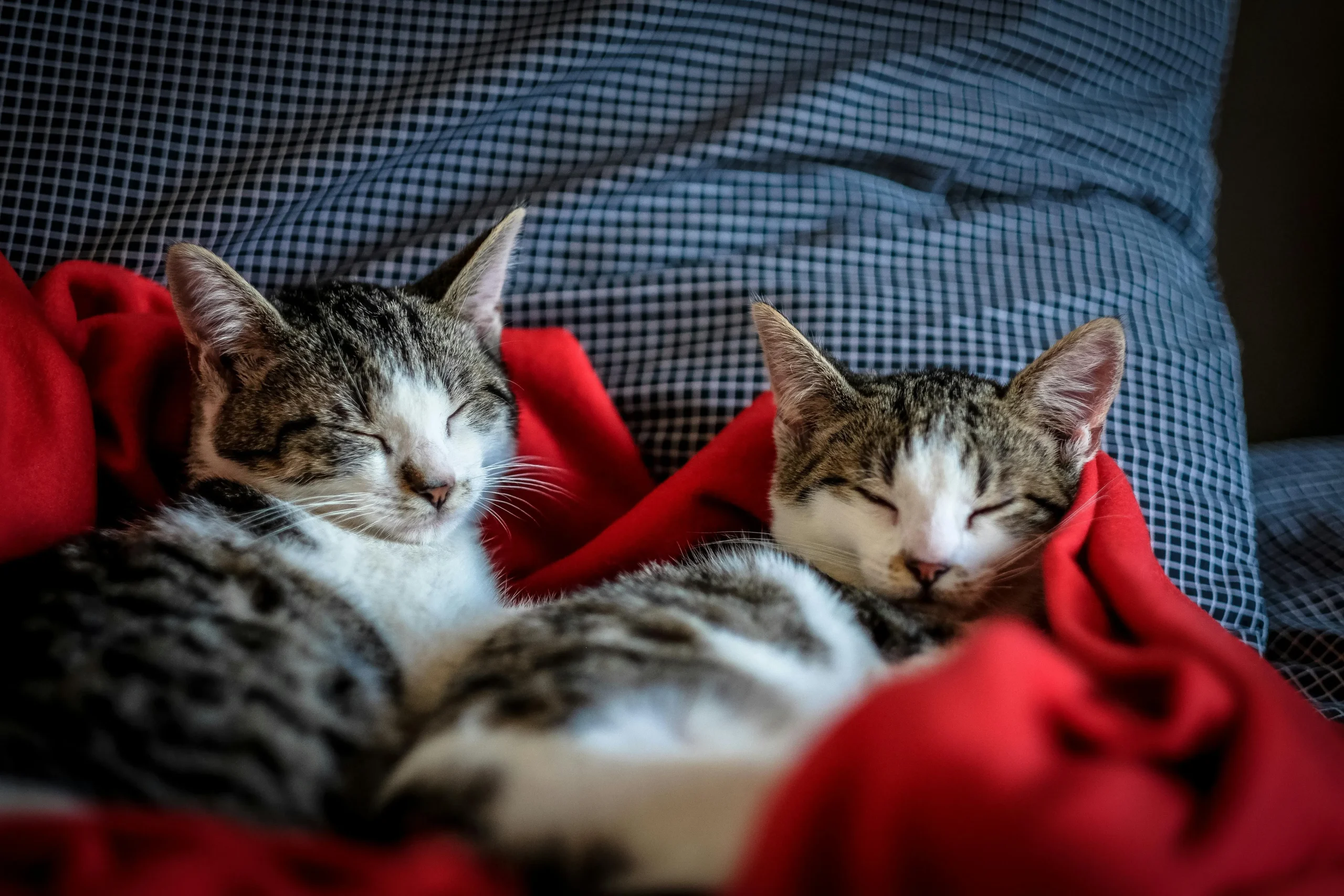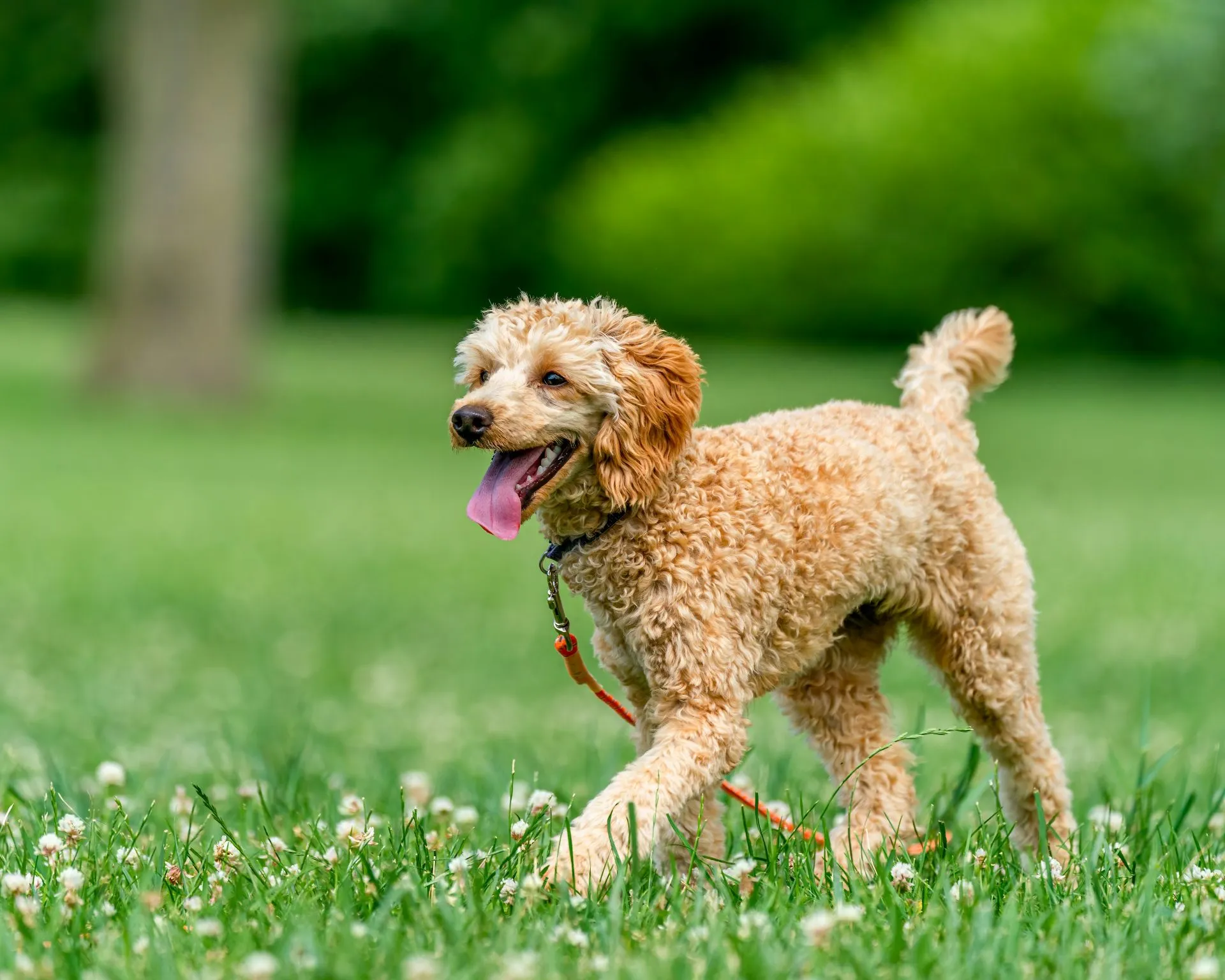

Summer in the San Francisco Bay Area means more sunshine and warmer weather, but it also raises the risk of heat-related illnesses for pets. At Lenity Vet Specialists, our San Mateo veterinarians often see how quickly dogs and cats can overheat, whether they are playing outside or resting indoors without enough airflow. Heat stroke is a serious problem for pets, so knowing the warning signs and how to prevent it can help keep your furry friend safe.
Heat stroke happens when a pet’s body temperature gets too high, and they can’t cool down on their own. Unlike humans, dogs and cats don’t sweat much. They mostly rely on panting, as they can only sweat through their paw pads. This makes them more likely to overheat in warm weather, especially if they are exercising, playing outside, or left in hot spaces. Watch for early signs like heavy panting, drooling, tiredness, or bright red gums. Keeping pets safe in hot weather means paying attention, being prepared, and knowing simple ways to protect your dog or cat.
Understanding How Heat Stroke Affects Pets
Pets of all ages are at risk of heat-related illnesses, but some groups are especially vulnerable. Brachycephalic breeds, like pugs, bulldogs, and Persian cats, have shorter airways, making it harder for them to cool down efficiently. Senior pets or animals with preexisting heart, lung, or obesity issues also face increased risk. Even young, healthy pets can suffer heat stroke if exposed to high temperatures for extended periods or engaged in strenuous activity. Your four-legged buddy’s environment, overall health, and activity level all influence their susceptibility. Understanding how heat stroke develops helps you take steps to protect your furry bestie before it becomes dangerous.
The environment has a big impact on heat stroke risk. A parked car can become dangerously hot in just a few minutes, even if the windows are cracked. Direct sunlight, stuffy indoor spaces, and high humidity also make things worse. While San Mateo’s warm days can be fun, pet owners need to stay alert to keep pets from overheating. Give your pet shade, plenty of cool water, and avoid outdoor activities during the hottest parts of the day to help prevent emergencies.
Recognizing Signs of Heat Stroke in Dogs and Cats
It’s important to spot early warning signs. Pets with heat stroke might pant a lot, drool, act confused, or seem very tired. Dogs may lie on cool floors or not want to move, while cats might hide in shady places or seem grumpy. Noticing these signs early lets you act quickly and prevent serious problems.
Other signs of heat stroke can be a fast heartbeat, glassy eyes, a dry or sticky mouth, vomiting, diarrhea, or trouble walking. If your pet won’t drink water or seems confused, get help right away. Heat stroke can get worse quickly and may cause organ failure or seizures if not treated. At Lenity Vet Specialists, we urge pet owners to watch their pets closely during warm weather and act fast if they notice any of these signs.
Practical Strategies to Prevent Heat Stroke
Preventing heat stroke involves both planning and awareness. Avoid outdoor walks during peak sun hours and choose early morning or evening times when temperatures are cooler. Hydration is vital; always provide fresh, cool water for your four-legged friend. Cooling mats, damp towels, or shaded rest areas can provide additional comfort during warm days.
Limit strenuous exercise on hot surfaces, such as asphalt or sand, which can burn paws and raise body temperature. Keep your canine buddy or feline friend indoors during heatwaves when possible. Never leave a pet unattended in a parked car or enclosed space. Regular observation, preventive measures, and creating a safe environment for pets are highly effective ways to protect them from hot weather.
It helps to know how different pets show signs of heat stress. Some dogs might drool a lot, pant hard, or seem restless. Cats may hide, stop grooming, or look for cooler places to rest. Changing your pet’s activities and watching their behavior can help keep them comfortable and safe.
Emergency Response for Heat Stroke
Even if you’re careful, accidents can still happen. If you think your pet has heat stroke, move them to a cooler place right away and give them small sips of water. Don’t use ice-cold water or dunk your pet, since sudden temperature changes can make things worse. Wet your pet gently with lukewarm water and use fans to cool them down slowly. Get veterinary help as soon as you can to avoid serious problems.
At Lenity Vet Specialists, our San Mateo veterinarians are ready to handle heat emergencies with advanced care, fluids, and close monitoring. Getting your pet to the vet quickly can make a big difference and help prevent organ damage, seizures, or collapse. That’s why it’s important to know where your nearest trusted veterinary clinic is located to maintain your pet’s health during warmer months. Monitor environmental conditions, adjust exercise schedules, and watch for early signs of heat stress. Consider using cooling products like mats or fans and provide constant access to shade and hydration. Teaching yourself and family members to recognize the symptoms of heat stroke ensures a rapid response when needed.
Pets thrive in safe, temperature-controlled environments. Your four-legged buddy’s well-being depends on careful observation and proactive measures, especially during San Mateo’s sunny summers. Even short exposures to high heat can have long-term consequences, so consistent vigilance is essential. Combining preventive strategies with professional guidance from a trusted veterinary clinic keeps your canine companion or feline friend healthy and happy.
Read more about heatstroke in pets at the American Animal Hospital Association website here. The Pet Food Institute has a helpful article on hydration here.
FAQ: Preventing Heat Stroke in Pets
What are the early signs of heat stroke in pets?
Early signs of heat stroke in dogs and cats include excessive panting, drooling, lethargy, bright red or pale gums, and restlessness. Your canine buddy may seek cool surfaces or refuse to move, while your feline pal may hide in shaded areas or act unusually quiet. Noticing these symptoms early is critical, as heat stroke can progress quickly. If you see these signs contact an emergency veterinarian in the San Mateo or the San Francisco Bay Area immediately.
How can I prevent my pet from overheating during the summer?
Preventing heat stroke involves careful monitoring of your furry friend during warm weather. Walk dogs early in the morning or late in the evening, provide plenty of fresh water, and avoid leaving pets in cars or enclosed spaces. Shade and cool areas are essential, as is limiting strenuous exercise on hot surfaces. Our San Mateo veterinarians at Lenity Vet Specialists always recommend regular breaks and monitoring your pet’s behavior to reduce risk.
Are certain pets more at risk for heat stroke?
Yes, some pets are more vulnerable. Brachycephalic breeds like pugs, bulldogs, and Persian cats struggle to cool efficiently. Senior pets, those with heart or lung conditions, overweight animals, and very young pets are also at higher risk. Understanding your pet’s health and breed-specific vulnerabilities helps prevent heat-related emergencies.
What should I do if I think my pet has heat stroke?
If your furry bestie shows signs of heat stroke, move them to a cooler area immediately, offer small sips of water, and gently wet their body with lukewarm water. Avoid ice-cold water or immersion, which can worsen the situation. Contact your 24/7 emergency veterinary clinic, such as Lenity Vet Specialists in San Mateo, as soon as possible for professional treatment.
Can heat stroke be life-threatening?
Yes, heat stroke is a serious medical emergency. If untreated, it can cause organ damage, seizures, or collapse. Prompt intervention from a veterinary clinic, including intravenous fluids and monitoring, significantly improves outcomes. Being prepared and recognizing early signs is essential for keeping your canine companion or feline friend safe.
Is it safe to leave pets in a parked car during warm days?
No. Even with windows cracked, temperatures inside parked vehicles can rise rapidly, causing heat stroke within minutes. This is one of the most common causes of heat-related emergencies in pets. Always ensure pets have access to shaded, ventilated areas and never leave them unattended in cars, even briefly.
Visit or Contact Our San Mateo Veterinary Clinic
Hot summer weather can be dangerous for pets, but knowing the signs and taking steps to prevent heat stroke can really help. By watching for symptoms and making sure your pet has a safe place, you can help your dog or cat enjoy the summer safely. If you see any signs of heat illness or want advice about summer safety, book a visit at Lenity Vet Specialists, your trusted San Mateo pet clinic. You can also search for “vet near me” in the San Francisco Bay Area to find us quickly if you need help.
This blog is intended for general informational purposes only. Always consult with your veterinarian for the appropriate medical advice, diagnosis, or treatment plan for your pet and follow their guidance.
Do you want to learn more about our San Francisco 24/7 Urgent Care Vet Clinic? Click here for a full list of our services. There’s also some helpful resources for clients here.