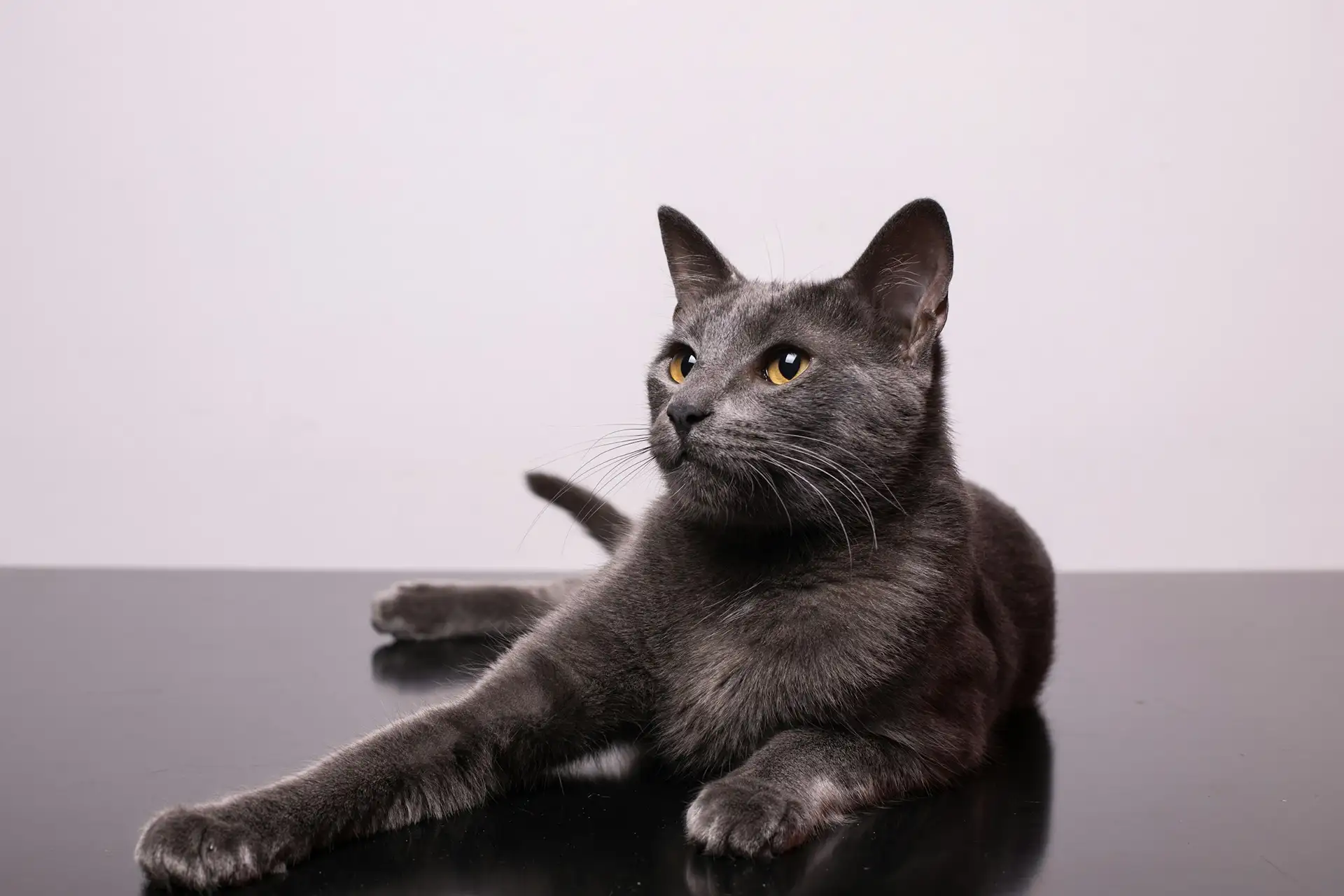

Have you noticed your furry pal coughing, sneezing, or scratching more than usual? At Lenity Vet Specialists, our San Mateo veterinarians see pets experiencing respiratory and skin issues due to allergies, and early recognition is key to managing symptoms effectively.
Allergies and asthma in pets can develop due to environmental triggers, seasonal pollen, dust, mold, or certain foods. Recognizing pet asthma symptoms and understanding seasonal patterns helps you provide prompt care. Whether your canine buddy struggles with itchy skin or your feline friend has difficulty breathing, proper management improves comfort and prevents complications. At Lenity Vet Specialists, we provide personalized care plans to manage allergies and asthma safely for pets in the San Francisco Bay Area.
Understanding Allergies and Asthma in Pets
Allergies in dogs and cats occur when the immune system overreacts to a substance that is normally harmless. Common allergens include pollen, dust mites, mold, and certain foods. Your four-legged buddy may experience skin irritation, excessive scratching, ear infections, or gastrointestinal upset. Cats may also develop asthma, leading to wheezing, coughing, and labored breathing.
Pet asthma symptoms often include persistent coughing, open-mouth breathing, wheezing, and rapid breathing. Seasonal allergies in pets can exacerbate these symptoms, especially during spring and fall when pollen counts are higher. Observing your furry friend for these signs allows for early intervention, which is crucial for effective treatment.
Identifying Signs of Allergies and Asthma
Recognizing the signs of allergies and asthma in pets helps prevent serious complications. In dogs, look for frequent scratching, licking paws, red or inflamed skin, ear infections, and sneezing. Cats with allergies may groom excessively, develop hair loss, or show signs of asthma, such as wheezing, coughing, or difficulty breathing. Monitoring these behaviors closely allows you to take action before symptoms worsen.
Environmental triggers, like seasonal pollen or indoor dust, can affect pets differently. Some pets may react immediately, while others develop chronic issues over time. Keeping a symptom diary can help your San Mateo veterinarians identify patterns and potential triggers, allowing for targeted treatment.
Treatment Options for Pet Allergies
Effective management of treatment for pet allergies often involves a combination of strategies. Your veterinarian may recommend antihistamines, corticosteroids, or specialized allergy medications to reduce inflammation and itching. In cases of pet asthma, bronchodilators or inhalers may be prescribed to improve breathing. Allergy testing can identify specific triggers, allowing for targeted environmental modifications and immunotherapy treatments.
Diet can also play a role in managing allergies. Hypoallergenic diets or limited-ingredient foods may reduce reactions in pets with food sensitivities. Regular bathing, using veterinarian-approved shampoos, and maintaining clean living environments can further minimize exposure to allergens. At Lenity Vet Specialists, our San Mateo veterinarians tailor treatment plans to each pet’s specific needs and health profile.
Preventing Allergy Flare-Ups
Prevention is an important component of managing allergies in dogs and cats. Regular cleaning, limiting exposure to high-pollen areas, and using air filters can reduce allergens in your home. Keeping your furry buddy indoors during peak pollen times and rinsing paws and fur after outdoor walks can help prevent irritation. For cats, ensuring litter boxes and living spaces are clean and free from dust can reduce asthma triggers.
Seasonal allergies in pets often require ongoing management. Regular checkups allow veterinarians to adjust medications and monitor responses, ensuring that your feline friend or canine companion remains comfortable year-round. Early intervention and consistent care are key to maintaining a high quality of life for pets with chronic allergies or asthma.
When to Seek Veterinary Care
If your furry pal shows persistent sneezing, coughing, wheezing, or excessive scratching, contact your veterinarian promptly. These signs may indicate allergies or asthma that require professional care. Severe asthma attacks, labored breathing, or blue-tinged gums are emergencies and require immediate attention at a 24/7 emergency veterinary clinic like Lenity Vet Specialists in San Mateo. Prompt intervention can help reduce or prevent complications and improve long-term outcomes.
Even mild symptoms should be evaluated, as untreated allergies can lead to secondary infections, skin irritation, or chronic respiratory problems. Regular veterinary visits allow for early detection, accurate diagnosis, and effective management of allergies and asthma in pets.
PetMD wrote about food allergies in dogs in this piece. The AKC also covered the topic here.
FAQ: Pet Asthma and Allergies
What are common allergies in pets?
Pets can be allergic to pollen, dust, mold, flea bites, and certain foods. Symptoms may include itching, sneezing, coughing, ear infections, or gastrointestinal upset.
What are the signs of asthma in cats and dogs?
Asthma symptoms include persistent coughing, wheezing, rapid breathing, labored breathing, and open-mouth breathing. Cats are more prone to asthma than dogs, and early recognition allows for timely treatment. Ask your vet for more information.
How are pet allergies and asthma treated?
Treatment may include antihistamines, corticosteroids, allergy medications, inhalers, or immunotherapy. Environmental modifications, specialized diets, and regular bathing also help reduce exposure to allergens and improve comfort.
Can seasonal allergies affect pets year-round?
Yes. Seasonal allergens like pollen may peak during spring and fall, but dust, mold, and indoor allergens can trigger symptoms year-round. Ongoing management and regular veterinary care help maintain your furry pal’s health.
When should I contact a veterinarian for pet allergies or asthma?
Persistent coughing, sneezing, itching, or difficulty breathing warrants a veterinary evaluation. Severe asthma attacks or labored breathing require immediate care at a 24/7 emergency veterinary clinic like Lenity Vet Specialists in San Mateo.
What services does Lenity offer for pets with allergies or asthma?
Lenity Vet Specialists provides comprehensive allergy testing, diagnosis, and treatment, including medications, inhalers for asthma, immunotherapy, and environmental guidance. Our San Mateo veterinarians also offer ongoing monitoring and 24/7 emergency care for urgent cases.
Contact Our San Mateo Emergency Veterinary Clinic
Managing allergies in dogs and cats requires observation, timely intervention, and ongoing care. If you notice symptoms, schedule an appointment at Lenity Vet Specialists, your trusted San Mateo veterinary clinic. Searching for “vet near me” in the SF Bay Area can also help locate our clinic for expert diagnosis and treatment of pet asthma and allergies. Early care improves comfort and quality of life for your four-legged friend.
This blog is intended for informational purposes only. Always consult your veterinarian for the appropriate medical advice, diagnosis, or treatment plan for your pet and follow their guidance.
Do you want to learn more about our San Francisco 24/7 Urgent Care Vet Clinic? Click here for a full list of our services. There’s also some helpful resources for clients here.