

!Header Logo

Lenity Vet Specialists + Emergency Care

!Give us a call button

Call Now! (650) 513-6660

!Call Icon

Info for Clients

We’re here to help, in whatever way we can

New Patient Form

Request a Refill

Preparing your animal for surgery

We know that surgery day can be stressful for pets and their owners. We’ll do everything we can to ease your fears, walking you through the process and answering any questions you might have. Let’s get started so that your pet can be well on their way to a healthy recovery! We work together with pet owners and their regular veterinarian every step of the way, from the first consultation through the healing process. Thank you for allowing us to care for your beloved companion.

We do our best to quickly schedule your pet for the first day and time available based on a variety of factors in the clinic.

On the morning of the surgical consultation, please do not feed your pet (water is fine.) Bring any medications your pet has been prescribed or has taken, along with x-rays, MRls, and CT scans that you have of your pet. You do not need to worry about medical records and bloodwork, we will contact your veterinarian for those. If the blood test results are from more than 4 weeks prior, we may perform bloodwork on the day of the procedure.

Feed your pet as usual the night before surgery, but remove access to food after 10pm (water is fine.) Make sure you’ve checked in with us about administering their regular medications the night before and the morning of the surgery.

Plan to arrive at the hospital with your pet at your scheduled time so that we have enough time dedicated to ensuring all steps are complete for checking in. We also may want you to arrive at a specific time for the surgical consultation (if same-day) and any necessary bloodwork. The veterinarian will also need time for a thorough preoperative exam.

On the day of the surgery, we will meet with you to gather complete contact information (including multiple phone numbers) in case of emergency. We will give you an estimate for when your pet’s surgery will be complete so that you know when to expect a call from the veterinarian. Someone from our surgery team will contact you at the beginning of the induction process to keep you updated.

You will receive printed instructions for managing your pet’s care and health during their recovery. This will include important warning signs to watch for and suggestions for preventing certain behaviors. We will walk you through the instructions to make sure you understand them. Please plan for this review to take 30 minutes when you come to pick up your pet.

We encourage you to bring blankets, towels, potty pads or padding to cushion your pet and keep them warm and comfortable after the surgery and for the ride home. Using a crate in the back of an SUV or hatchback is ideal to ensure stability. If neither of these are an option, the floor of the back or front seat may work well as long as you make sure they’re not moving around too much. Be prepared for accidents as an after-effect of the anesthesia.

Your pet may be enthusiastic after their big day, but it’s important to make sure they’re taking it easy. Keep contact with other people (especially children) and other pets limited. Your pet will likely settle back in easily after the first day. Please do not allow your pet to lick at the incision site or allow others to touch it. Your pet will be sent home with a collar to prevent this activity. If your pet can get around the collar please call us immediately.

We will discuss your pet’s individual needs and the level of care required based on their specific surgery. Pets can generally be left alone in a confined area free of temptations to misbehave after discharge for 6-8 hours at a time.

We will schedule your first follow-up appointment at discharge. On the morning of the follow-up, please do not feed your pet (water is fine.) We may need to sedate your pet to position them properly for x-rays to confirm a successful recovery. We may remove sutures or staples at this appointment, or we may need to set up an additional appointment. Please keep in mind, some follow up appointments do require additional payment, depending on what the doctor is doing.

Please keep in mind that your pet should not be left unsupervised with other pets during their recovery. Rough-housing and incision licking are both common problems that can crop up.

If you have floors like hardwood or tile, you may need to provide sturdy rugs and runners to prevent slipping (yoga mats work great!). You will be sent home with a fleece sling to help them stand/walk. A rolled towel under the belly can also act as a strap to help them rise to standing in the first few weeks.

Preventing overactivity is crucial for proper healing after the surgery. Choose a small room or area, such as a bathroom or crate, that you can easily control to enforce rest and relaxation. For particularly antsy pets, we can prescribe a mild sedative.

Use a baby gate to block your pet from using the stairs without supervision. Otherwise, its fine for your pet to climb stairs as long as its done in a controlled fashion, such as on-leash.

Following surgery, your pet should be taken outside on-leash for 5 minutes at a time as needed. After the first week, you can begin to slowly increase the amount of time spent on the walk by an additional 5 minutes each week.

Conditions and Procedures

Jump to: TTA Surgery, Animal Reproductive Status, Urinary Surgery, Upper Airway Conditions, TPLO Surgery, Minimally Invasive Surgery, Elbow Disease, Hip Dysplasia, Media Patella Luxation
TTA surgery for cruciate ligament rupture

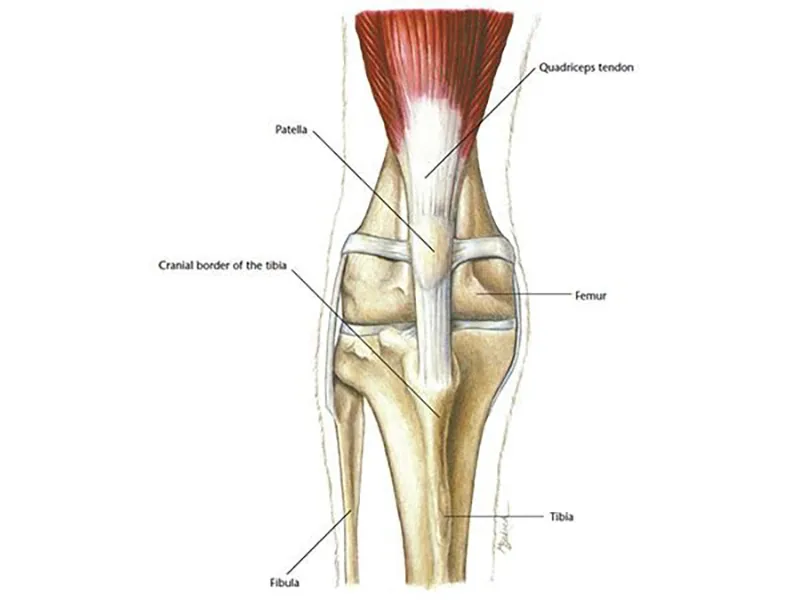
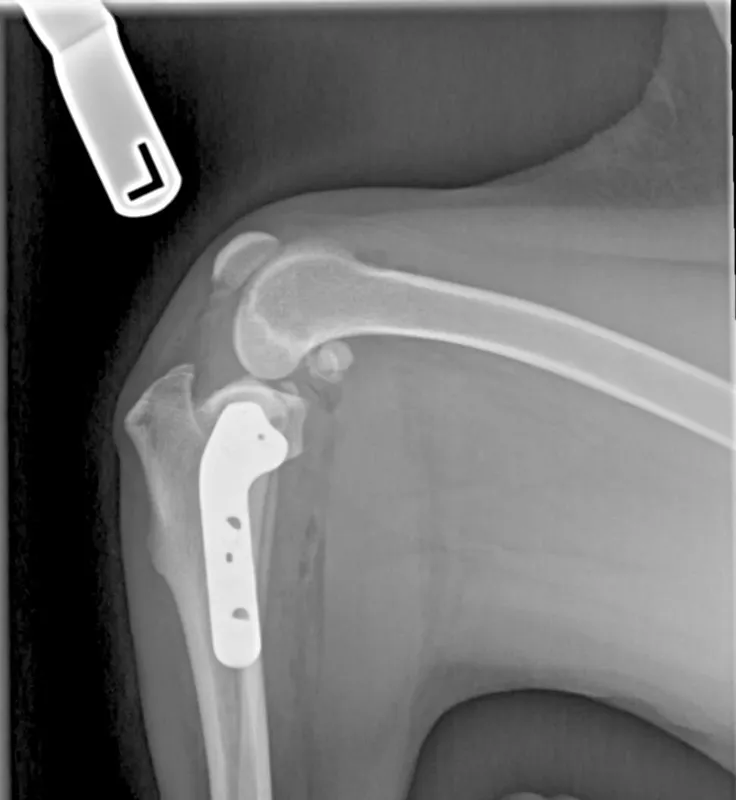
The cranial (or anterior) cruciate ligament in pets is located in the knee. A rupture of this ligament is the most common cause of rear leg lameness and can be quite severe due to the slide of the shin bone when the pet is moving. Tibial tuberosity advancement (TTA) surgery is designed to change the angle of the shin bone coming into the knee to stabilize the joint. The surgery does not directly repair the ruptured ligament, but it can offer major improvements in terms of walking and decreases in lameness.
Diagnosis

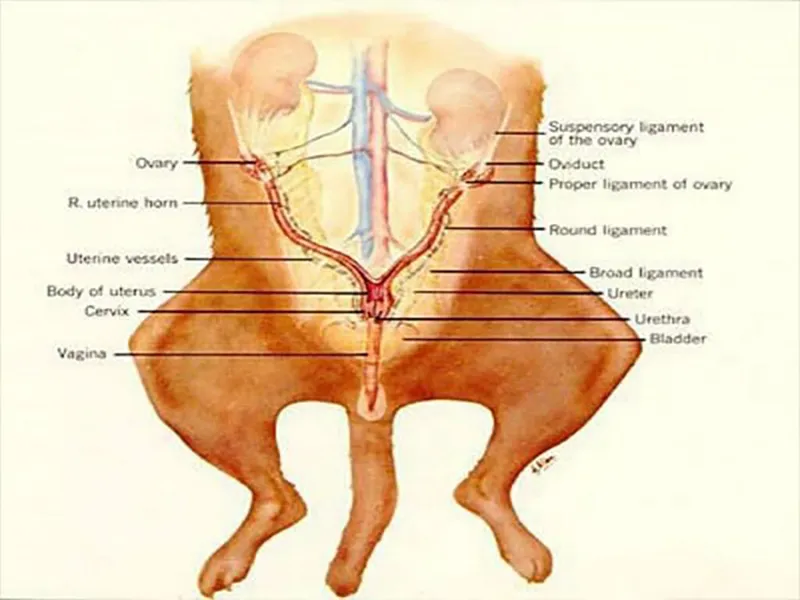
We generally see pets with a ruptured cranial cruciate ligament presenting with long-term lameness and instability in the knee (stifle) joint. We’ll start with a general examination, though we may also need to perform an additional exam under sedation or anesthesia. We will need to take in-depth x-rays of the affected area to find signs of and progression of arthritis. The radiographs also allow us to make a detailed plan beforehand to help us plan a successful surgery.

Treatment

Several surgical techniques can be used to correct cranial cruciate ligament rupture. We may suggest TTA as the preferred treatment depending on the state of the stifle joint, the pet’s overall health, and other factors. The procedure is generally only performed on medium, large, and giant breed dogs, though there are some exceptions. TTA surgery is especially useful in younger pets and those who have ruptured ligaments in both of their knees. In general, the sooner your pet receives the surgery, the more likely they are to fully recover following the procedure. A ruptured knee ligament can also be quite painful for pets, which is why we suggest getting them evaluated and treated promptly.

At the end of the TTA surgery, a special plate is attached to the joint and kept in place with screws to help stabilize the area. Additional x-rays are taken after the procedure to check the new alignment.

Recovery & Aftercare

It’s important to understand what your pet will need in the months following a TTA surgery. Aside from general surgical concerns with infections and surgical site healing, there will be major restrictions on what your pet can do while recovering.

First 4-6 Weeks

Exercise will be strictly restricted for the first few weeks, including during toileting. Use a leash and harness to avoid sudden movements. We often suggest confining the pet to a small area or room using a pen or baby gate.

6-8 Weeks Out

We will see your pet for an x-ray follow-up appointment at this time to confirm proper bone healing and joint alignment. If your pet is recovering well, activity can be slowly and carefully increased.

Ways to alter an animal’s reproductive status

At Lenity, we understand that managing an animal’s reproductive status is a crucial aspect of responsible pet ownership and animal welfare. There are various reasons why you might need to alter an animal’s reproductive status, such as controlling overpopulation, improving health, or addressing behavioral issues. In this guide, we explore the different methods available for altering an animal’s reproductive status, along with their benefits and considerations.
1. Spaying and Neutering

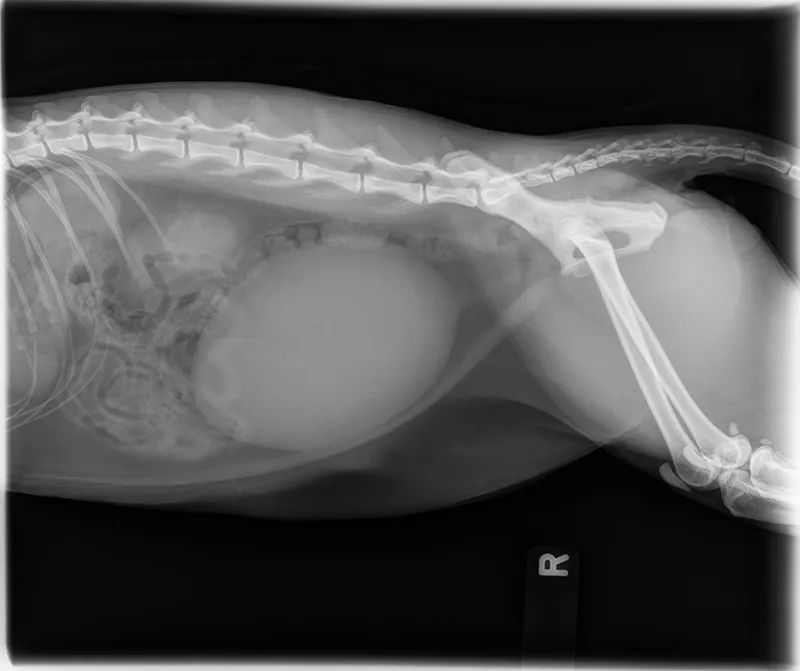
  • Spaying (for females): Spaying, also known as ovariohysterectomy, is the surgical removal of a female animal’s ovaries and uterus. This procedure eliminates the ability to reproduce and can have positive effects on a pet’s behavior and health.
  • Neutering (for males): Neutering, or castration, involves the removal of a male animal’s testicles. It prevents the male from fathering offspring and can also lead to behavioral improvements and reduced risk of certain health issues.

2. Hormonal Treatments

  • Birth Control Pills: Hormonal birth control pills can be prescribed for female animals to regulate their reproductive cycles, preventing unwanted pregnancies. However, they may not be as effective as surgery and may have side effects.

3. Contraceptive Injections

  • Depo-Provera for Cats: This contraceptive injection can be administered to female cats to prevent pregnancy temporarily. It’s important to note that it’s not a permanent solution and needs to be repeated regularly.

4. Vasectomy

  • Vasectomy for Dogs: Similar to neutering, a vasectomy involves the surgical blocking of the vas deferens, preventing the release of sperm. It allows male dogs to maintain their hormonal balance while ensuring they cannot father offspring.

5. Tubal Ligation

  • Tubal Ligation for Females: Tubal ligation is a surgical procedure that blocks or seals the fallopian tubes in female animals, preventing the passage of eggs to the uterus. It offers a non-hormonal alternative to traditional spaying.

Considerations and Responsible Choices

When deciding on the best method for altering your pet’s reproductive status, it’s essential to consult with a qualified veterinarian. Your veterinarian can provide guidance based on your animal’s breed, age, health, and individual needs. Additionally, it’s important to consider the long-term consequences and potential health benefits of these procedures.

At Lenity, we prioritize the well-being of animals, and we encourage responsible pet ownership. Properly managing an animal’s reproductive status not only helps control overpopulation but also contributes to their overall health and happiness. If you have any questions or concerns about altering your pet’s reproductive status, please don’t hesitate to reach out to our experienced team of veterinarians for expert guidance.

Urinary Surgery

At Lenity, we understand that urinary issues in pets can be a cause for concern and require prompt attention. Urinary surgery is a specialized field of veterinary medicine that focuses on diagnosing and treating various conditions affecting the urinary tract of animals. In this guide, we provide an overview of common urinary conditions, the surgical procedures involved, and how our experienced team at Lenity can help ensure the well-being of your beloved pet.
Common Urinary Conditions

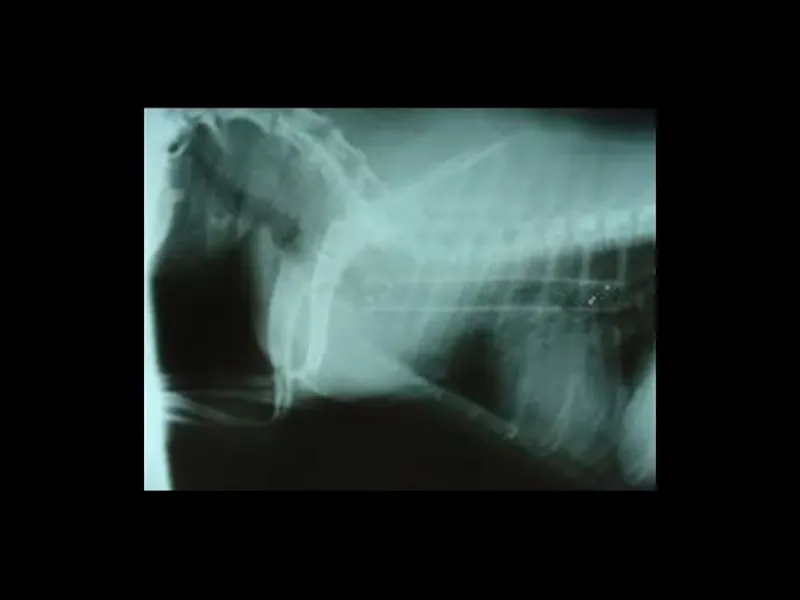
  • Urinary Stones: Urinary stones, also known as uroliths or bladder stones, can form in the urinary tract of animals. These stones can cause pain, discomfort, and blockages, leading to serious complications. Surgical intervention is often necessary to remove them safely.
  • Urinary Tract Obstructions: Urinary tract obstructions can occur when a blockage, typically caused by stones, prevents the normal flow of urine. This condition is an emergency and requires immediate surgical intervention to relieve the obstruction and prevent further complications.
  • Tumors and Growth Removal: The urinary tract can be affected by tumors and abnormal growths. Surgical removal of these growths may be necessary to prevent them from spreading and causing harm to your pet.

Urinary Surgery Procedures

At Lenity, our skilled veterinarians are well-equipped to perform a range of urinary surgery procedures, including:

Tumor Excision: Surgical excision of tumors and abnormal growths in the urinary tract is a crucial step in managing and preventing the spread of cancerous cells.

Cystotomy: This procedure involves making an incision into the bladder to remove urinary stones or address other bladder issues.

Urethrostomy: Urethrostomy may be performed to treat urinary tract obstructions by creating a new opening in the urethra to bypass the blockage.

Upper Airway Conditions

Understanding Upper Airway Conditions

The upper airway of your pet includes the nasal passages, throat, and windpipe (trachea). Conditions affecting this area can lead to respiratory issues, impacting your pet’s ability to breathe comfortably.
Common Upper Airway Conditions

Several upper airway conditions can affect pets, including:

  1. Brachycephalic Obstructive Airway Syndrome (BOAS): Common in brachycephalic breeds (short-nosed breeds), BOAS is characterized by narrowed airways, leading to breathing difficulties.
  2. Nasal Obstruction: Blockages or growths within the nasal passages can impede airflow and cause nasal discharge, sneezing, and snoring.
  3. Laryngeal Paralysis: This condition involves the loss of function in the larynx, leading to noisy and labored breathing.
  4. Tracheal Collapse: The trachea can weaken over time, causing it to collapse during breathing, leading to coughing and respiratory distress.

Causes and Symptoms

The causes of upper airway conditions can vary and may include genetics, environmental factors, or acquired conditions. Common symptoms include:

Nasal Discharge: Runny or discolored discharge from the nose.

Noisy Breathing: Whistling, snorting, or other unusual sounds during breathing.

Coughing: Persistent coughing, especially during exercise or excitement.

Exercise Intolerance: Reluctance or difficulty in engaging in physical activities.

TPLO surgery for cruciate ligament injury

What is TPLO Surgery?

TPLO surgery is a specialized orthopedic procedure designed to treat cranial cruciate ligament (CCL) injuries in dogs. The cranial cruciate ligament is essential for stabilizing the knee joint, and when it is damaged, it can lead to pain, lameness, and joint instability. TPLO surgery involves restructuring the geometry of the knee joint to provide stability without relying on the function of the damaged ligament.
How TPLO Surgery Works

During TPLO surgery, the following steps are typically performed:

  1. Incision: A small incision is made in the knee area to access the joint.
  2. Bone Cut: The tibia (shinbone) is carefully cut and repositioned to change the joint’s angle, reducing stress on the damaged ligament.
  3. Plate and Screws: A metal plate and screws are used to secure the repositioned bone, allowing for proper healing.
  4. Recovery: Pets undergo a period of rehabilitation and physical therapy to regain strength and mobility.

Benefits of TPLO Surgery

TPLO surgery offers numerous benefits, including:

Faster Recovery: Many pets experience a faster recovery compared to traditional surgical methods.

Improved Comfort: Relieving pain and discomfort caused by the injured ligament.

Stability: Restoring joint stability, allowing your pet to regain full use of their limb.

Long-Term Success: TPLO surgery is known for its long-term success in treating CCL injuries.

Minimally Invasive Surgery

What is Minimally Invasive Surgery (MIS)?

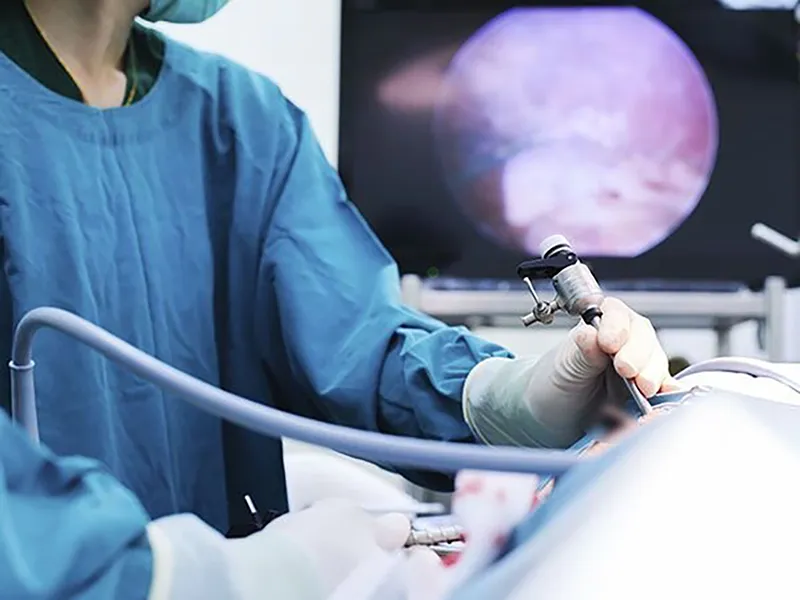
Minimally Invasive Surgery, often referred to as laparoscopic or endoscopic surgery, is a modern surgical technique that utilizes specialized instruments and cameras to perform procedures through tiny incisions or natural body openings. This approach minimizes trauma to surrounding tissues and organs, resulting in less pain, reduced scarring, and a shorter recovery period for your pet.
Benefits of Minimally Invasive Surgery

Minimally Invasive Surgery offers several advantages, including:

  • Smaller Incisions: Tiny incisions reduce the risk of infection and discomfort for your pet.
  • Less Pain: Reduced tissue trauma results in less pain post-surgery.
  • Faster Recovery: Pets often recover more quickly and can return to their normal activities sooner.
  • Improved Precision: High-definition cameras and specialized instruments allow for precise and targeted surgery.

Types of Minimally Invasive Procedures

Cystoscopy: Cystoscopy is used for examining and treating urinary tract issues in pets.

Laparoscopy: This technique is used for abdominal surgeries, such as spaying, neutering, organ biopsies, and tumor removals.

Endoscopy: Endoscopic procedures involve examining and treating the gastrointestinal tract, respiratory system, and urinary system using a flexible endoscope.

Arthroscopy: Arthroscopic surgery allows us to diagnose and treat joint conditions, such as cruciate ligament injuries and elbow dysplasia.

Thoracoscopy: Thoracoscopic procedures address chest and lung conditions, including the removal of foreign bodies or tumor biopsies.

Elbow Disease

What is Elbow Disease?

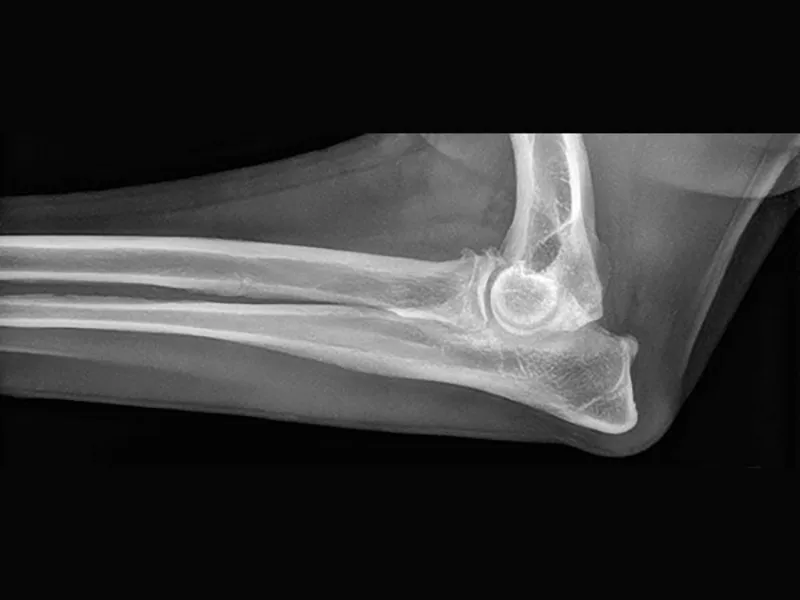
Elbow disease, or elbow dysplasia, is a collective term for a group of developmental orthopedic conditions that affect the elbow joint in dogs, primarily in larger breeds. These conditions often involve abnormal growth and development of the bones and cartilage within the joint, leading to joint instability, pain, and arthritis.
Benefits of Minimally Invasive Surgery

Minimally Invasive Surgery offers several advantages, including:

  • Smaller Incisions: Tiny incisions reduce the risk of infection and discomfort for your pet.
  • Less Pain: Reduced tissue trauma results in less pain post-surgery.
  • Faster Recovery: Pets often recover more quickly and can return to their normal activities sooner.
  • Improved Precision: High-definition cameras and specialized instruments allow for precise and targeted surgery.

Types of Minimally Invasive Procedures

Cystoscopy: Cystoscopy is used for examining and treating urinary tract issues in pets.

Laparoscopy: This technique is used for abdominal surgeries, such as spaying, neutering, organ biopsies, and tumor removals.

Endoscopy: Endoscopic procedures involve examining and treating the gastrointestinal tract, respiratory system, and urinary system using a flexible endoscope.

Arthroscopy: Arthroscopic surgery allows us to diagnose and treat joint conditions, such as cruciate ligament injuries and elbow dysplasia.

Thoracoscopy: Thoracoscopic procedures address chest and lung conditions, including the removal of foreign bodies or tumor biopsies.

Hip Dysplasia

What is Hip Dysplasia?

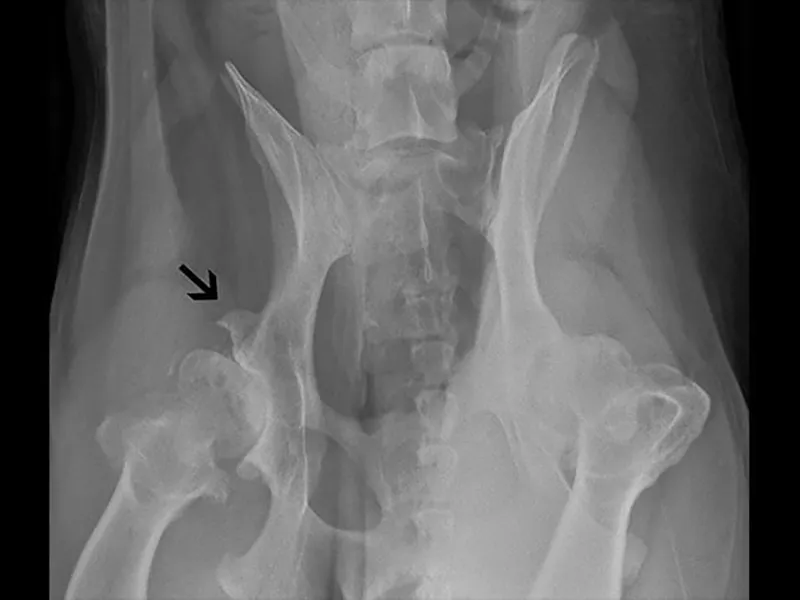
Hip dysplasia is a genetic condition in which the hip joint does not develop properly. It occurs when the hip joint’s ball and socket do not fit snugly together, leading to instability and eventual damage to the joint. Over time, this can result in painful arthritis and reduced mobility.
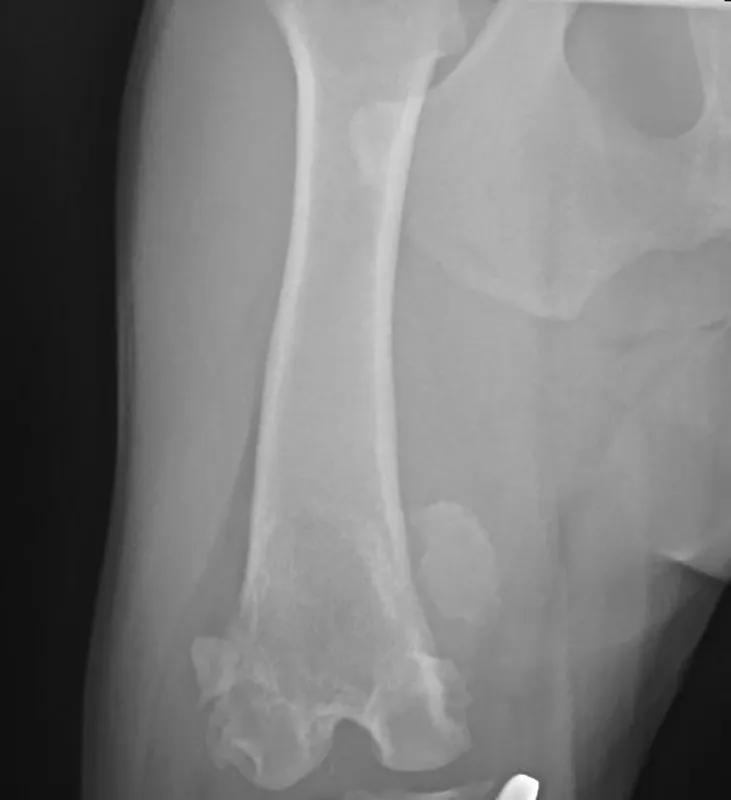
Causes of Hip Dysplasia

While genetics play a significant role in the development of hip dysplasia, other factors can contribute to its onset, including:

  • Breed Predisposition: Certain breeds are more prone to hip dysplasia, but it can affect dogs and cats of any breed or size.
  • Nutrition: Rapid growth and improper nutrition in puppies can increase the risk of developing hip dysplasia.
  • Weight: Excess weight can exacerbate the condition, as it places additional stress on the hip joints.

Symptoms of Hip Dysplasia

The signs of hip dysplasia can vary but often include:

  • Lameness: Pets may have difficulty walking or may limp, especially after physical activity.
  • Stiffness: Affected animals may experience stiffness, especially when getting up or moving after rest.
  • Decreased activity: Pets with hip dysplasia may become less active and reluctant to play or exercise.
  • Muscle loss: Muscle loss in the hindquarters can be observed over time.

Diagnosis and Treatment

Diagnosing hip dysplasia typically involves a physical examination, X-rays, and possibly additional imaging tests. Once diagnosed, treatment options may include:

Surgical Intervention: In severe cases, surgical procedures may be necessary to improve joint function and reduce pain.

Weight Management: Maintaining a healthy weight is crucial to reduce stress on the hip joints.

Medications: Pain relievers and anti-inflammatory medications can help manage pain and inflammation.

Physical Therapy: Physical therapy exercises can improve muscle strength and joint stability.

Medial Patella Luxation

What is Medial Patella Luxation (MPL)?

Medial Patella Luxation is a common orthopedic condition in which the patella (kneecap) shifts out of its normal position, usually towards the inside of the knee joint. This misalignment can cause varying degrees of lameness and discomfort.

Symptoms of MPL

The signs of MPL can vary depending on the severity of the condition. Common symptoms include:

  • Intermittent limping: Your pet may favor one leg and limp occasionally.
  • Skipping or hopping: Pets with MPL may hop or skip on one hind leg.
  • Difficulty in extending the leg: Your pet may have trouble fully extending their leg.
  • Pain and discomfort: MPL can cause pain, which may lead to changes in your pet’s gait or reluctance to use the affected leg.

Diagnosis of MPL

If you suspect your pet has MPL or if your veterinarian suspects it during a physical examination, further diagnostic tests such as X-rays may be recommended. These tests can help determine the severity of the condition and guide the treatment plan.

Treatment Options for Medial Patella Luxation

Treatment for MPL is tailored to the individual needs of your pet and the severity of the condition. Treatment options may include:

Surgical Correction: In more severe cases of MPL, surgery may be necessary to realign the patella and stabilize the knee joint. Surgical options may include procedures to deepen the groove in which the patella sits or to correct soft tissue abnormalities.

Conservative Management: In mild cases, your veterinarian may recommend non-surgical treatments such as weight management, physical therapy, and medications to alleviate pain and inflammation.